

Next Post ESTATE PLANNING THROUGH WILLS: THE ISLAMIC PERSPECTIVE
Kadhi’s Courts in Kenya are special courts of jurisdiction that handle Muslims’ personal matters, such as family conflicts, inheritance, marriage, and divorce, all in accordance with Islamic law. So what does a party do if they are dissatisfied with the decision of a Kadhi Court? Where do they go, and what happens to the case?
Let’s take a quick tour of the process, the courts, and some key legal principles!
Kadhi Courts are vested with the responsibility by the Constitution of Kenya, Article 170, to hear and determine cases regarding Islamic family law.
These include:
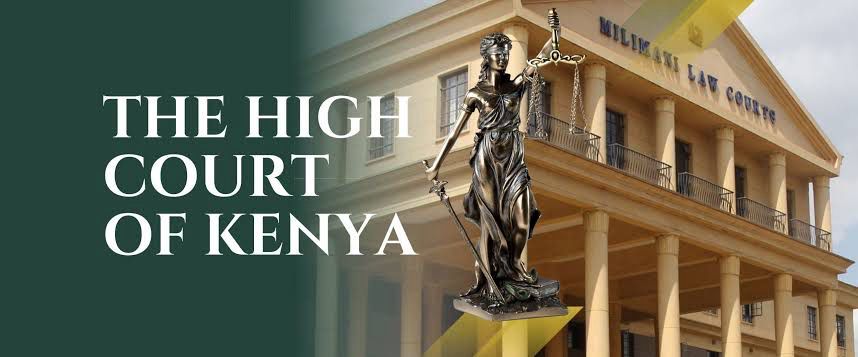
Kadhi’s Courts in Kenya are special courts of jurisdiction that handle Muslims’ personal matters, such as family conflicts, inheritance, marriage, and divorce, all in accordance with Islamic law. So what does a party do if they are dissatisfied with the decision of a Kadhi Court? Where do they go, and what happens to the case?
Let’s take a quick tour of the process, the courts, and some key legal principles!
Now, if one is dissatisfied with the judgment of a Kadhi’s Court, Can he or she just ignore the verdict? No! There is a process to be followed:
The High Court may use assessors—experts who give advice to the judge on technical matters, especially if Islamic law or personal matters are involved. Assessors are also significant because they offer opinions on how Islamic law works in practice and how local tradition operates.

Where appeal cases are concerned, especially where matters concerning Islamic law are involved, the High Court can direct assessors to be appointed to assist in making an informed judgment. The assessors are well-versed in Islamic law and can be required to provide expert opinion to facilitate the judge to comprehend how Islamic principles ought to be applied in the case at hand before the court.
The evaluators ensure that the ruling has an appropriate and balanced reflection of Islamic principles such that the judge can make a sounder ruling reflecting the intention of the law. In most cases, Two Kadhis from different stations from where the appeal emanated from are always selected to sit with the presiding judge on the appeal.
The incorporation of Kadhis’ Courts into Kenya’s Constitution was a huge step forward for religious freedom and inclusivity. It meant that Muslims could continue using their own legal system to handle family-related matters, while still being part of Kenya’s national legal system.
These courts also ensure that everyone’s rights are respected, whether you’re Muslim or not. They serve as a reminder that Kenya values diversity and believes in finding solutions that respect different cultural and religious beliefs.
A Kadhis’ Court judge (Kadhi) typically undergoes years of education in both Islamic law and jurisprudence. The judges are not just legally skilled—they’re community leaders, respected for their wisdom and knowledge of Islamic traditions.
The Kadhi (judge) in these courts is often a respected scholar of Islamic law and religion, which ensures that legal decisions also reflect deep understanding of faith and justice.
Like all institutions, the Kadhis’ Courts have faced challenges, ranging from accusations of limited scope and outdated procedures to their place in a modern society.
However, despite the controversies, these courts continue to serve as vital centers for resolving disputes in the Muslim community. With their role now enshrined in the Constitution, they remain a symbol of Kenya’s commitment to protecting minority rights and honoring religious freedom.

Kadhi Court appeals are an interesting and sometimes complex phenomenon of Kenya’s legal landscape. Cases are normally sensitive, covering family relationships and personal beliefs, and appealing them requires a combination of both Islamic law and Kenyan constitutional law.
From the Kadhi Court to the High Court and eventually to the Court of Appeal, each level of the judiciary plays a crucial role in shaping how personal law matters under Islamic law are interpreted. Whether you’re a party in the case, a legal professional, or simply curious, understanding this system is essential for navigating the unique intersection of religion and law in Kenya.
How would you grade the Kadhi Court appeal process? Have you witnessed any of the high-profile cases? Share your comments!
No comment yet, add your voice below!